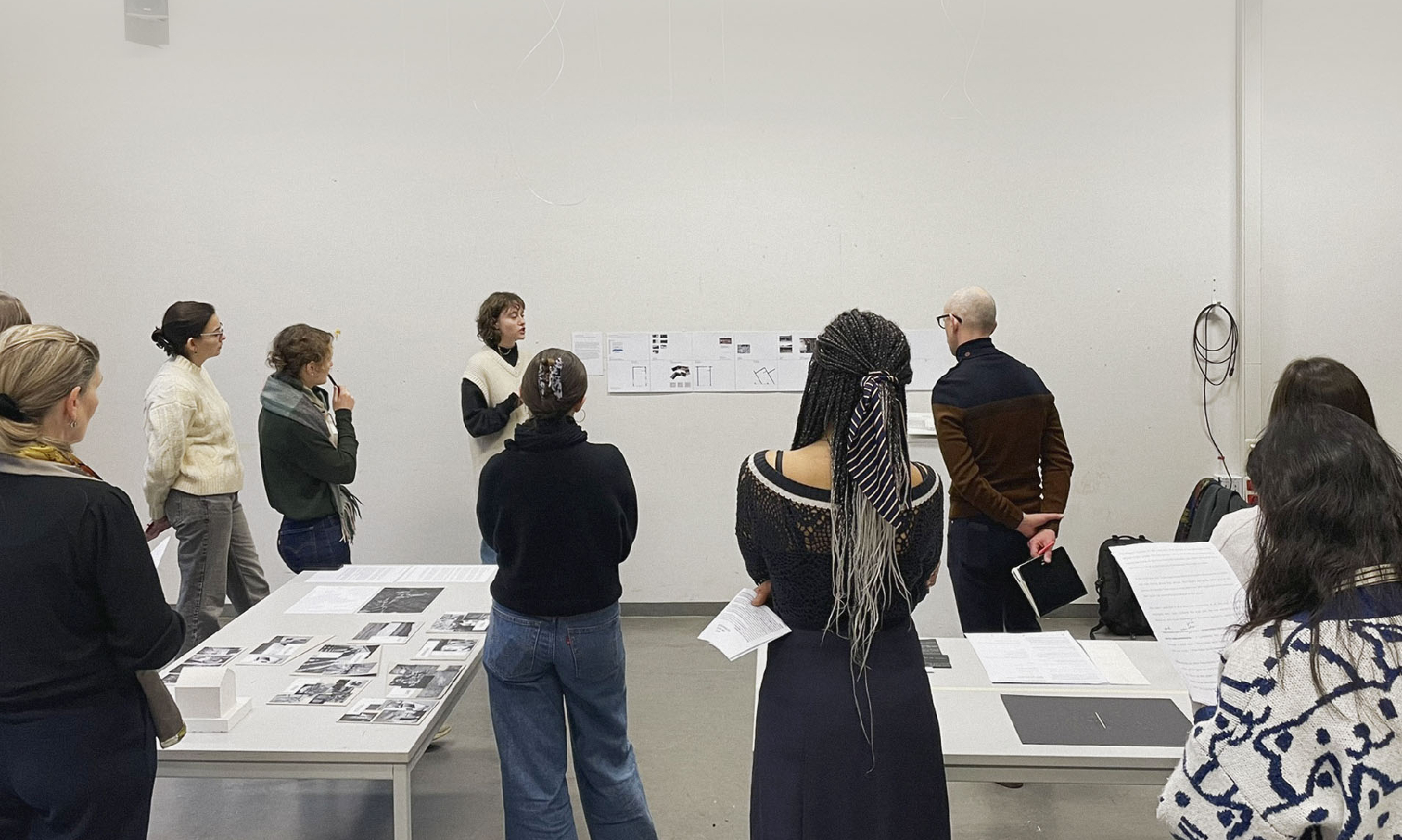
elective, KU Leuven, 2024-2025
Gjiltinë Isufi & Gisèle Gantois
There is a unique ability in architecture, unseen in other disciplines, to overcome the limits of language in grasping the social. The production and use of architectural documents (maps, plans, sections, sketches or models) uncovers hidden layers of buildings and narratives. Focusing specifically on traumatic memories in Kosovo between 1980-1999, students of this elective will produce architectural documents with the aim of exploring the link between space and trauma. They will be given a collection of sources, ranging from newspaper articles and poems, to films and prison letters. Focusing on a selected narrative will allow the architecture student—equipped with the tools to comprehend the tactile and the visual—to explore the spatial implications of trauma.
Context
Between 1980 and 1999, Kosovo was engulfed in a series of events of violence and repression against its ethnic Albanian population that ultimately led to the 1999 Kosovo War. In the spring of 1981, large student demonstrations erupted, demanding greater rights for Kosovo within Yugoslavia. This major upheaval resulted in the imprisonment of many activists over the two following decades, many of whom were tortured and tormented to death in harsh-condition prisons. In 1989, Serbian leader Slobodan Milošević revoked Kosovo’s autonomy and employed discriminatory practices in employment, education and access to public services. The political marginalization, ethnic discrimination and economic disparity over the following years were met with acts of resistance, strikes, underground movements and the emergence of the Kosovo Liberation Army (KLA). After diplomatic efforts to resolve the conflict faltered, 1998 marked the start of the Kosovo War. Counting around 10,000 victims, 529 mass graves, and 1,5 million (90% of the estimated population) displaced civilians, the war ended with NATO’s intervention in 1999, after which, Serbian forces withdrew from Kosovo.

Jury: Tomas Ooms.

The Berisha Family Massacre, Suharekë
Student: Judith Hoerder

The case of Aziz Abrashi (from the mines, to prison, to home)
Student: Joan Part López

Political Prisoners in Kosovo, the case of B. K.
Student: Camille Médou

Lipaj Family Massacre in Studenicë, Kosovo
Student: Rebeka Markovicsová
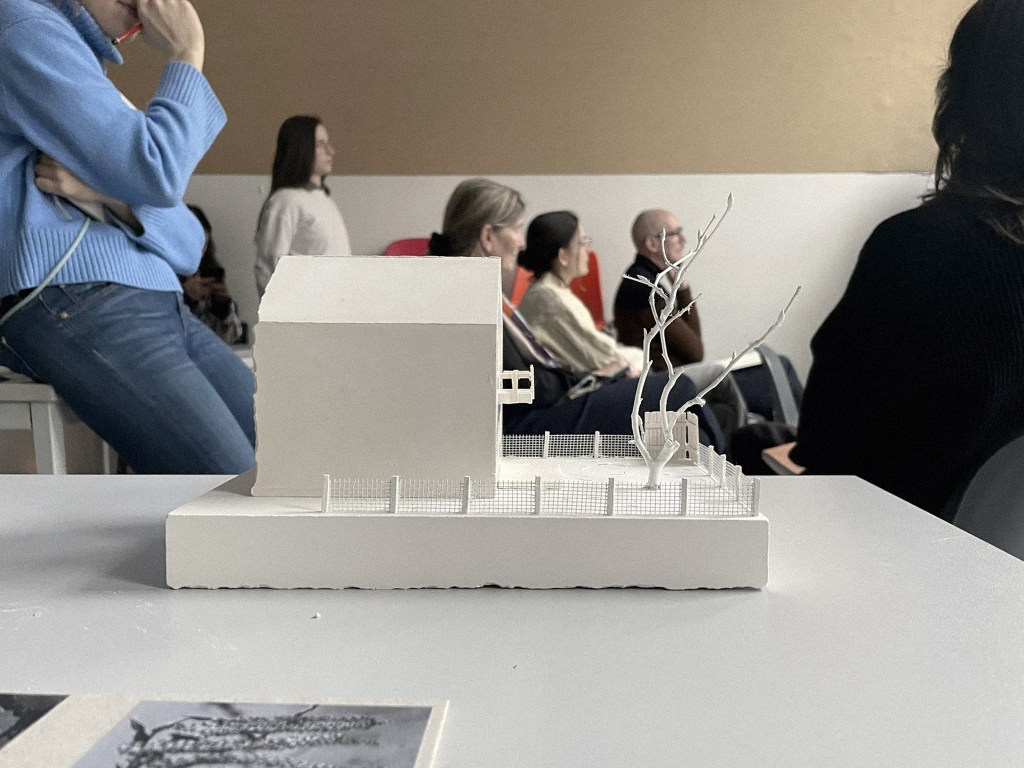
Massacre of Gollubovc, Kosovo
Student: Niklas Uhl
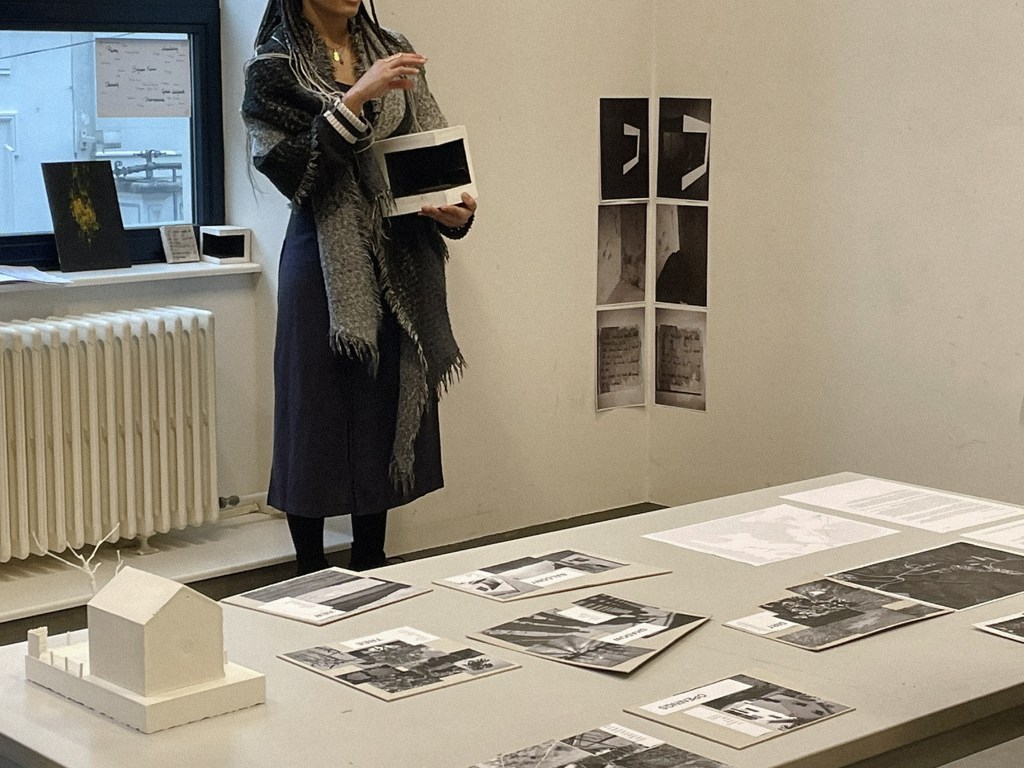
Political Prisoners in Kosovo, the case of B. K.
Student: Camille Médou
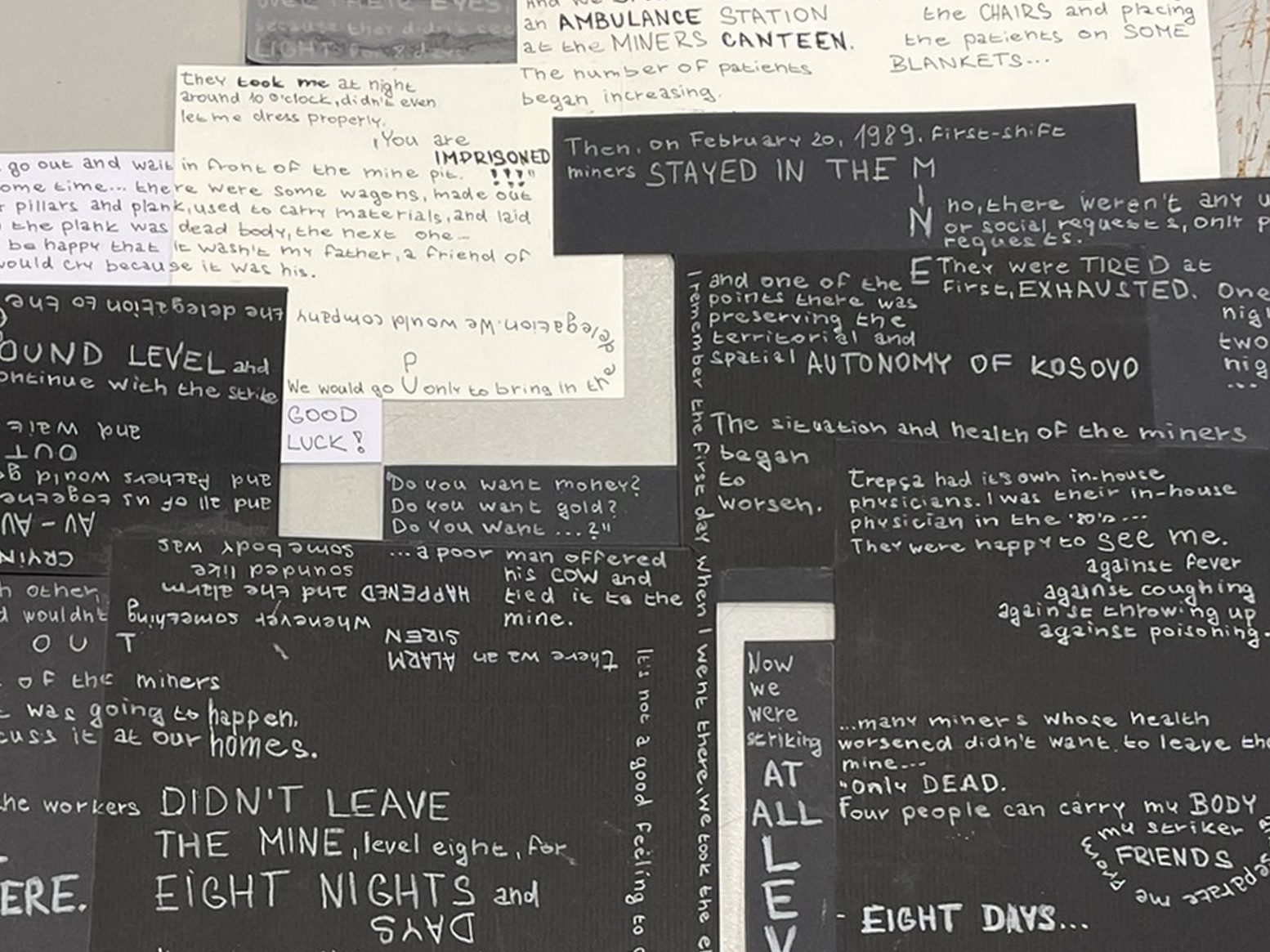
Trepca Mines in Mitrovicë
Student: Ester Bartekova
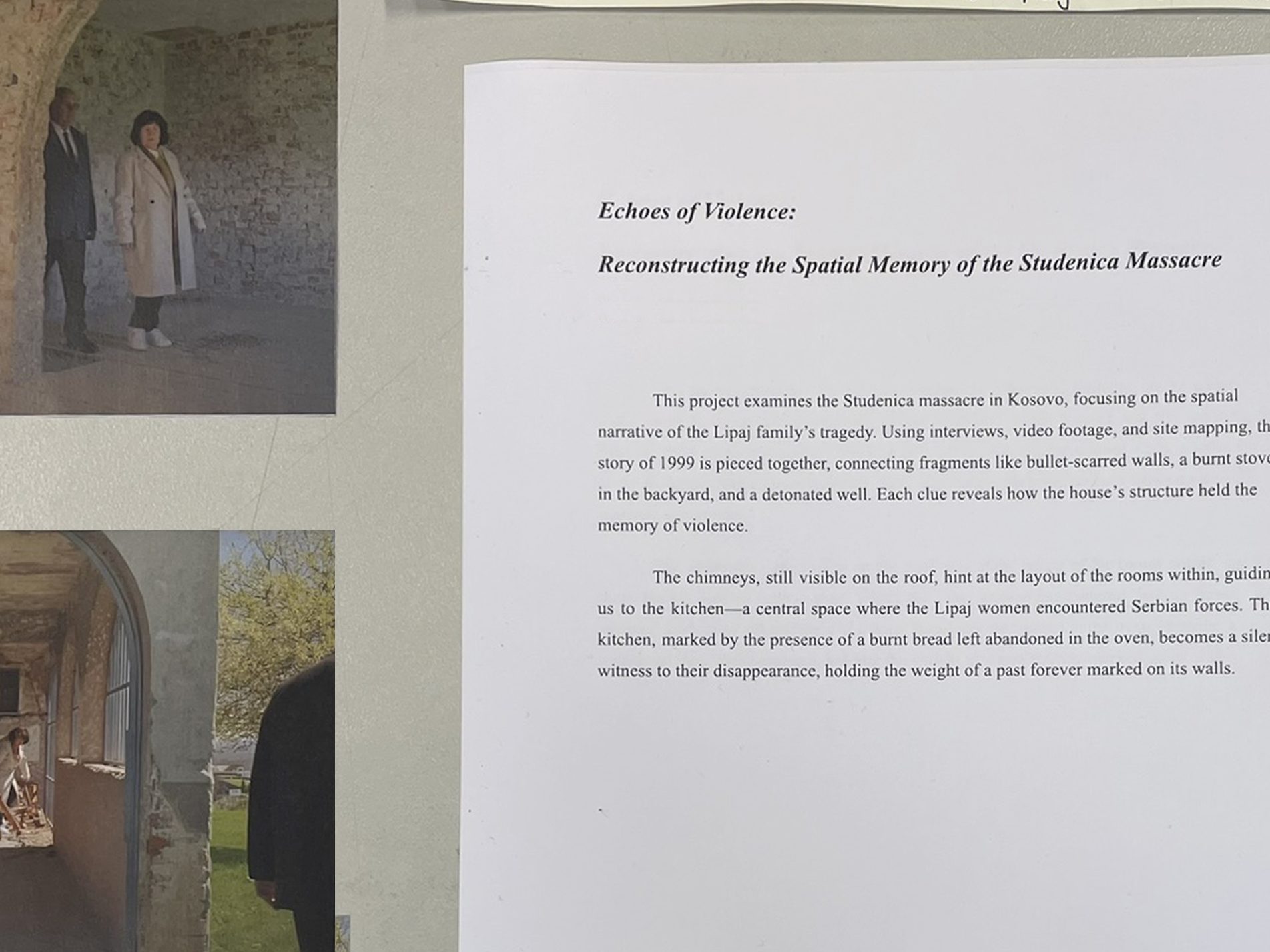
Lipaj Family Massacre in Studenicë, Kosovo
Student: Rebeka Markovicsová
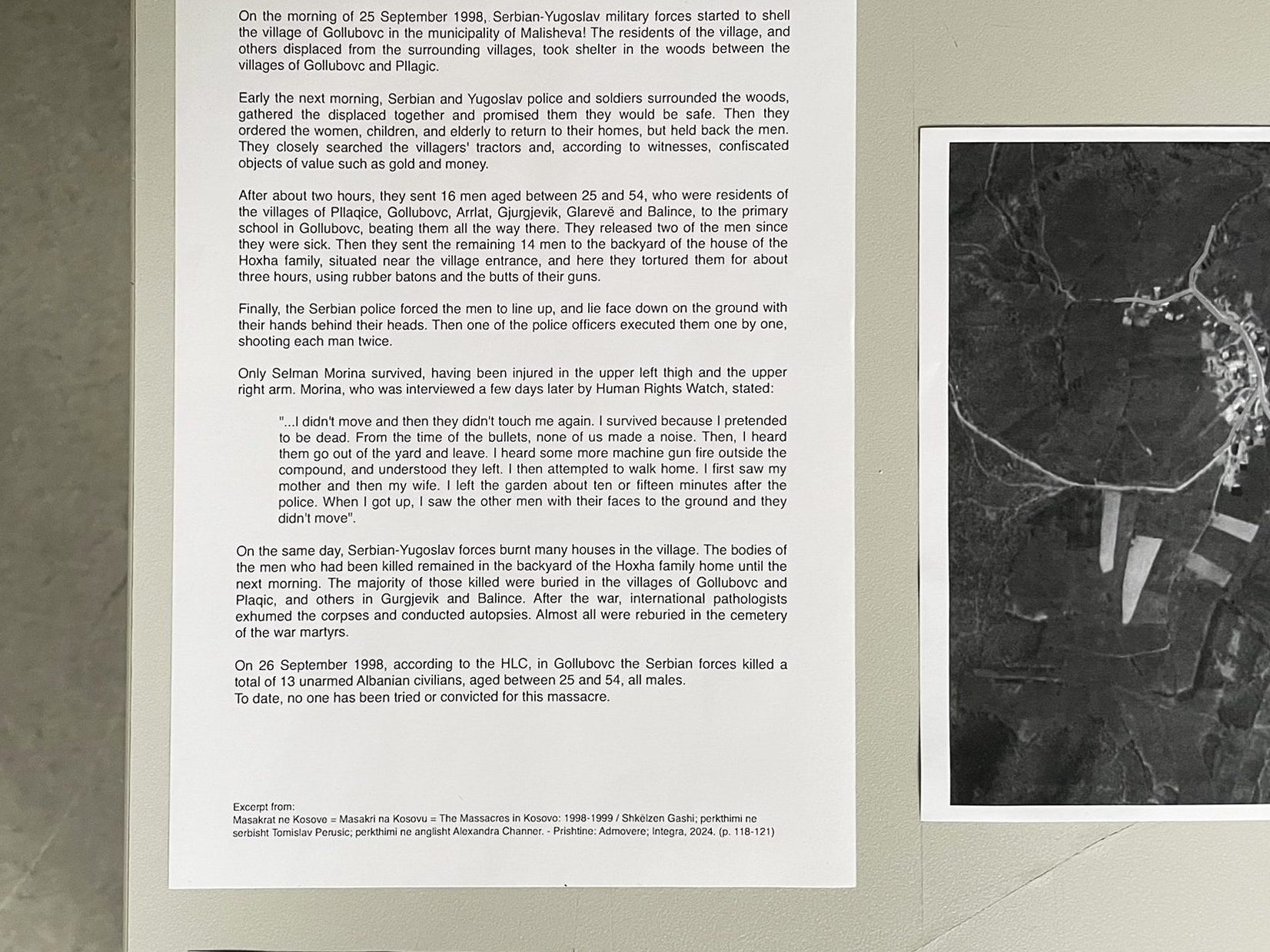
Massacre of Gollubovc, Kosovo
Student: Niklas Uhl
 gjiltinë